INTERNAL MEDICINE EMERGENCY COURSE
Emergency care training is a critical component of healthcare services and must be continuously strengthened to improve the management of both routine and disaster-related emergencies. Because emergencies can occur at any time, affect anyone, and arise anywhere, healthcare professionals must remain consistently prepared to respond quickly and effectively.
General practitioners are expected to recognize emergency conditions as early as possible, establish a clinical diagnosis, and initiate appropriate treatment to save lives and prevent disease progression or permanent disability.
In the emergency department, internal medicine cases constitute a significant proportion of patient encounters during each shift. Recently, there has been an increasing tendency to immediately consult or refer these cases upon presentation. Over time, this practice may reduce both the clinical skills and cognitive competence of general practitioners in independently managing internal medicine emergencies.
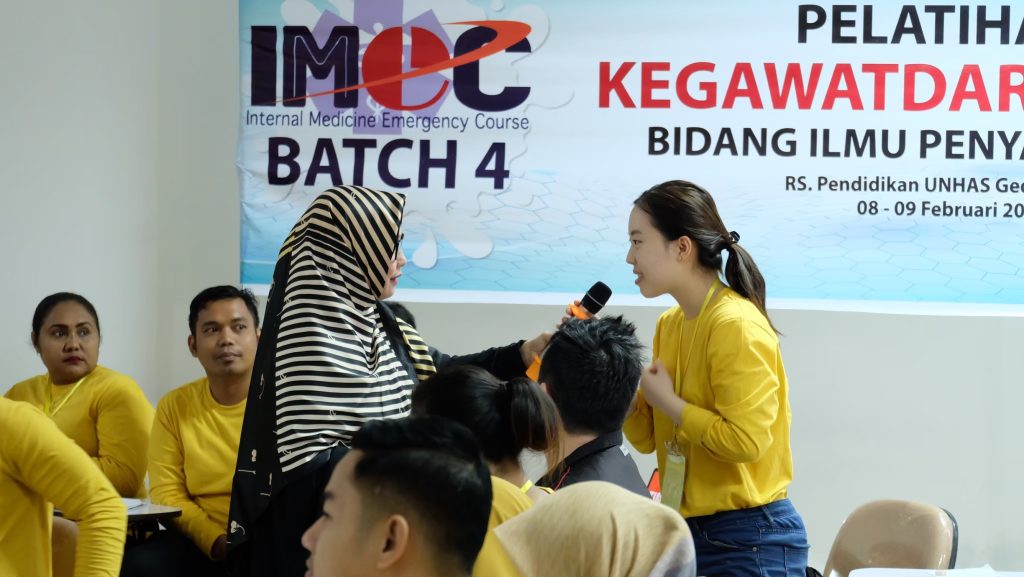
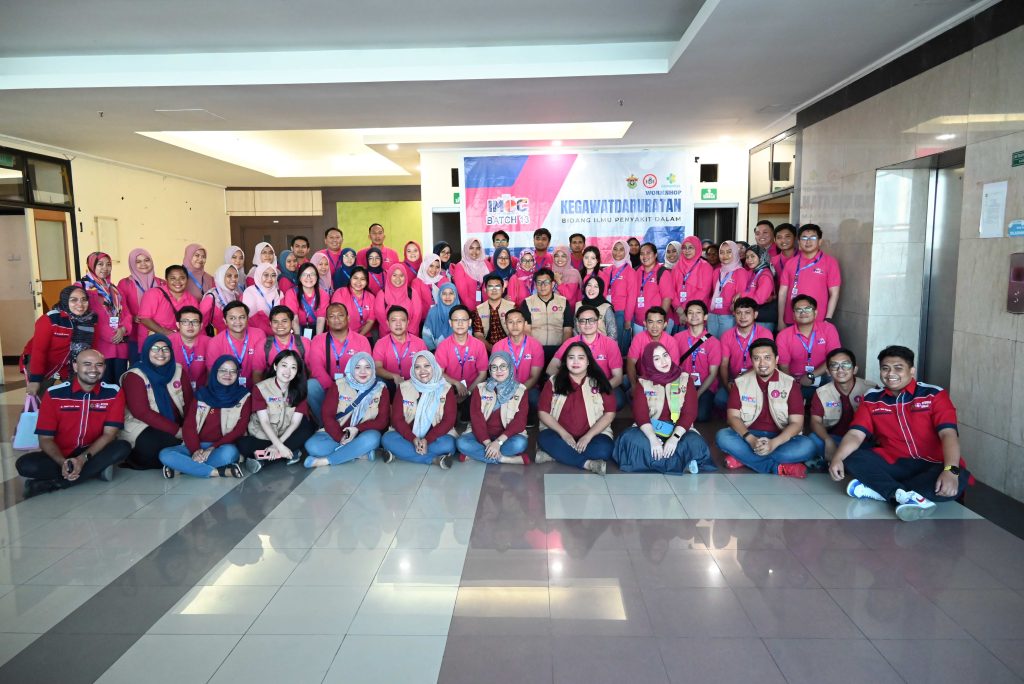
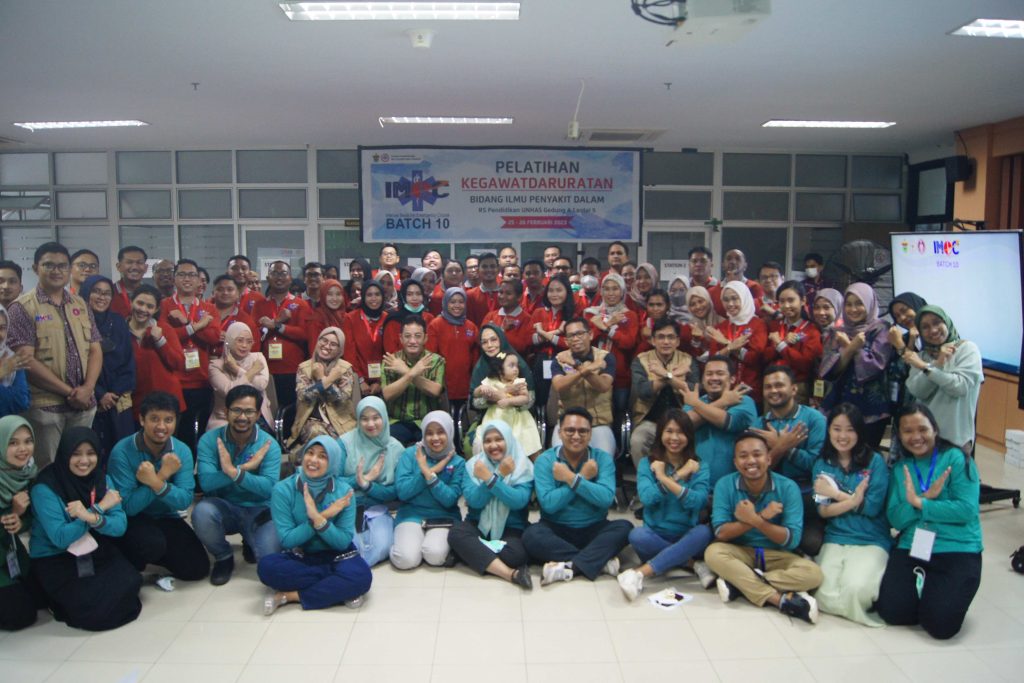
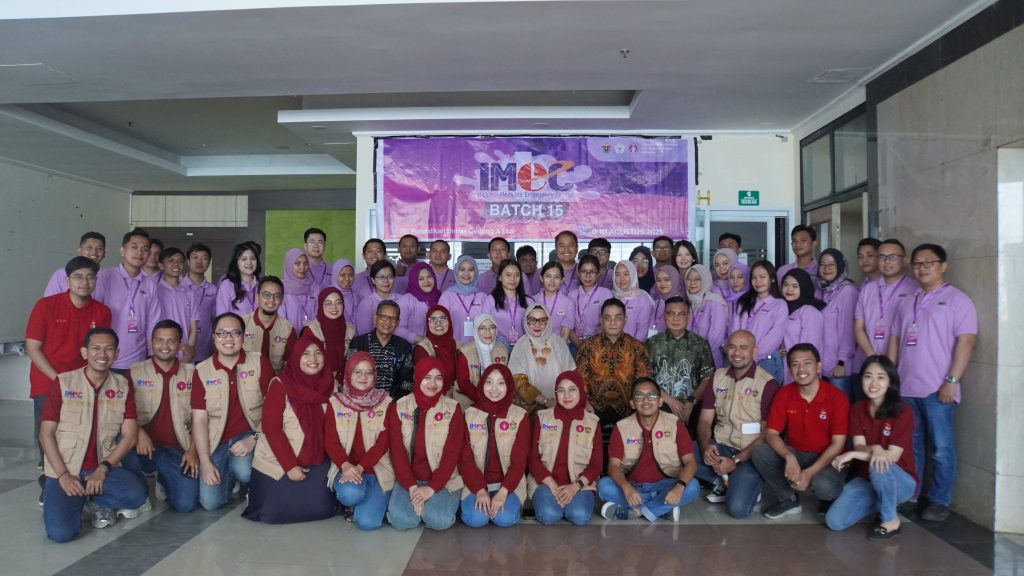
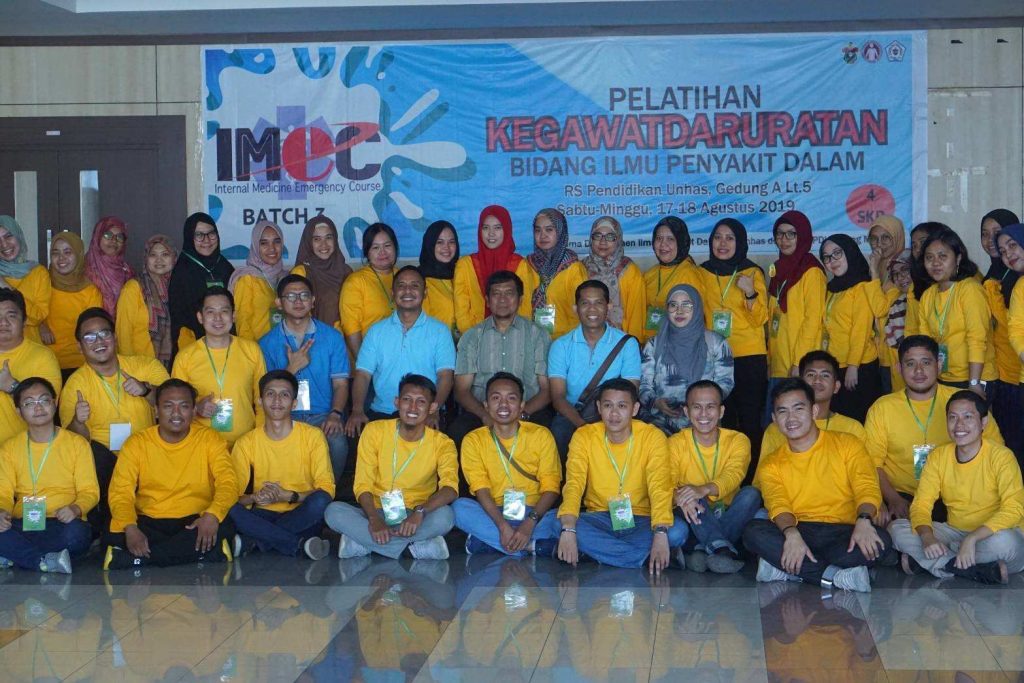
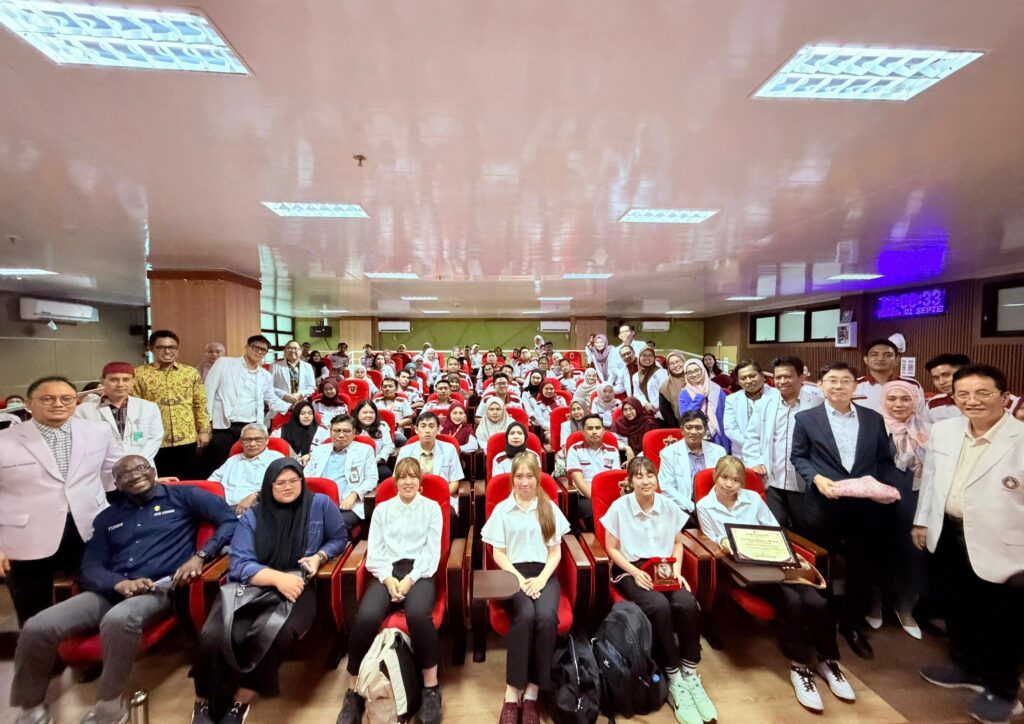
To strengthen emergency care capacity, the Department of Internal Medicine, Faculty of Medicine, Hasanuddin University (UNHAS), in collaboration with the Indonesian Society of Internal Medicine Specialists (Makassar Branch), organizes emergency care courses and training in internal medicine twice each year.
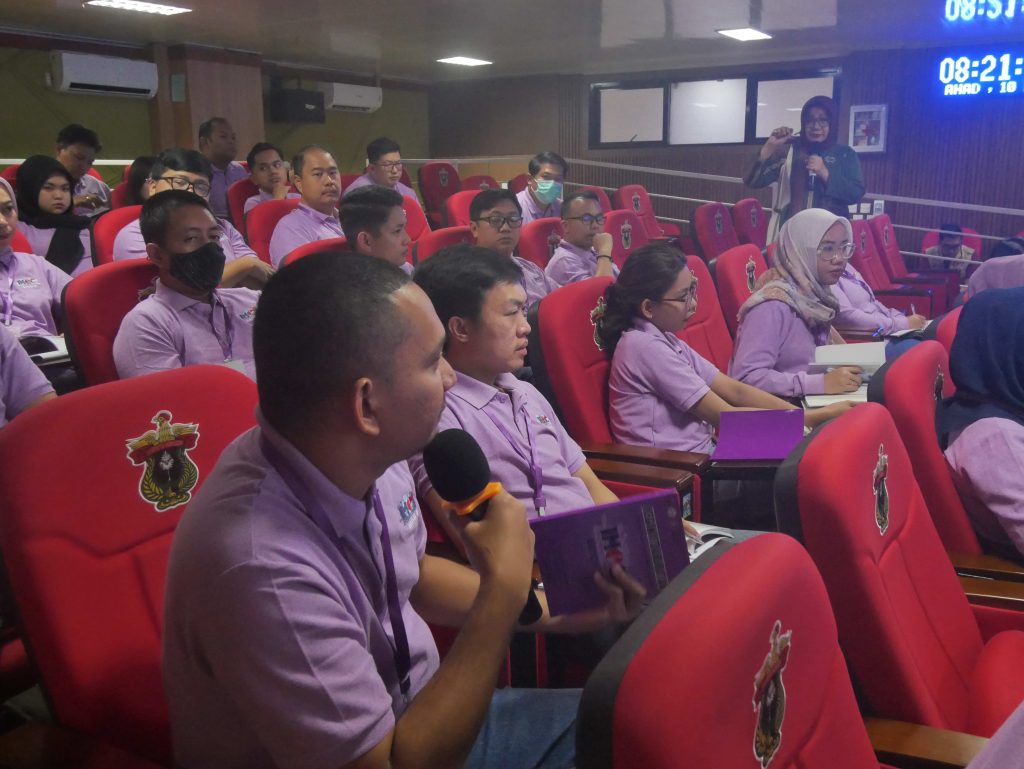
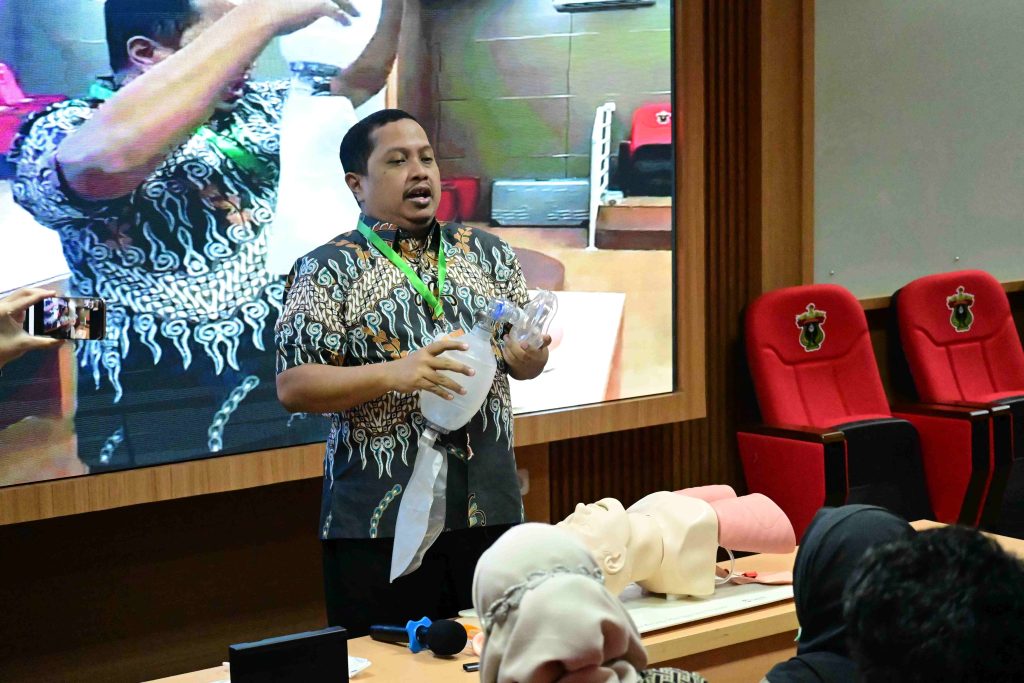
The program provides focused instruction in the management of internal medicine emergencies, including cardiac arrhythmias, gastrointestinal bleeding, acute renal failure, and hyperglycemic crises. Hands-on practice sessions are conducted on the final day. As emergency patients often require specialized monitoring equipment, proper training is essential to ensure competency in its use and to support effective community service.
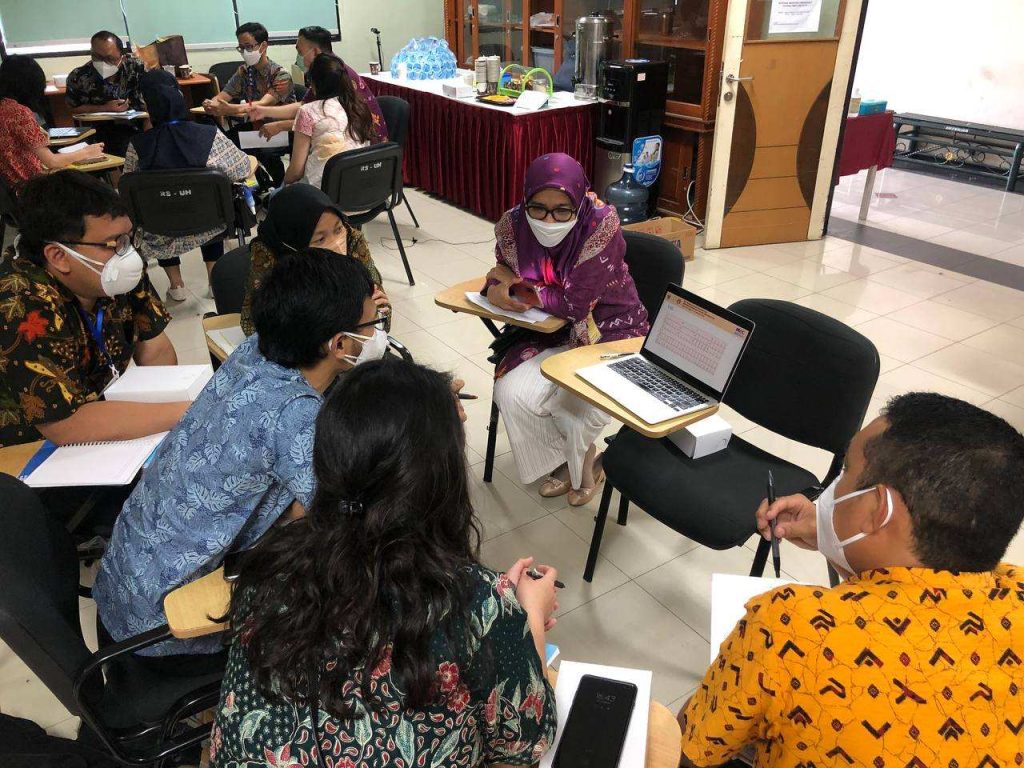
In addition, a workshop is conducted for physicians, emphasizing practical and systematic approaches to diagnosing and managing internal medicine emergency cases. This program is intended for general practitioners in Eastern Indonesia and is limited to a maximum of 40 participants per session.